

Ruthie Foster -- Just Say Yes
Josh Friedberg asks listeners to Just Say Yes to Ruthie Foster's joyful voice and lyrics in her latest album.
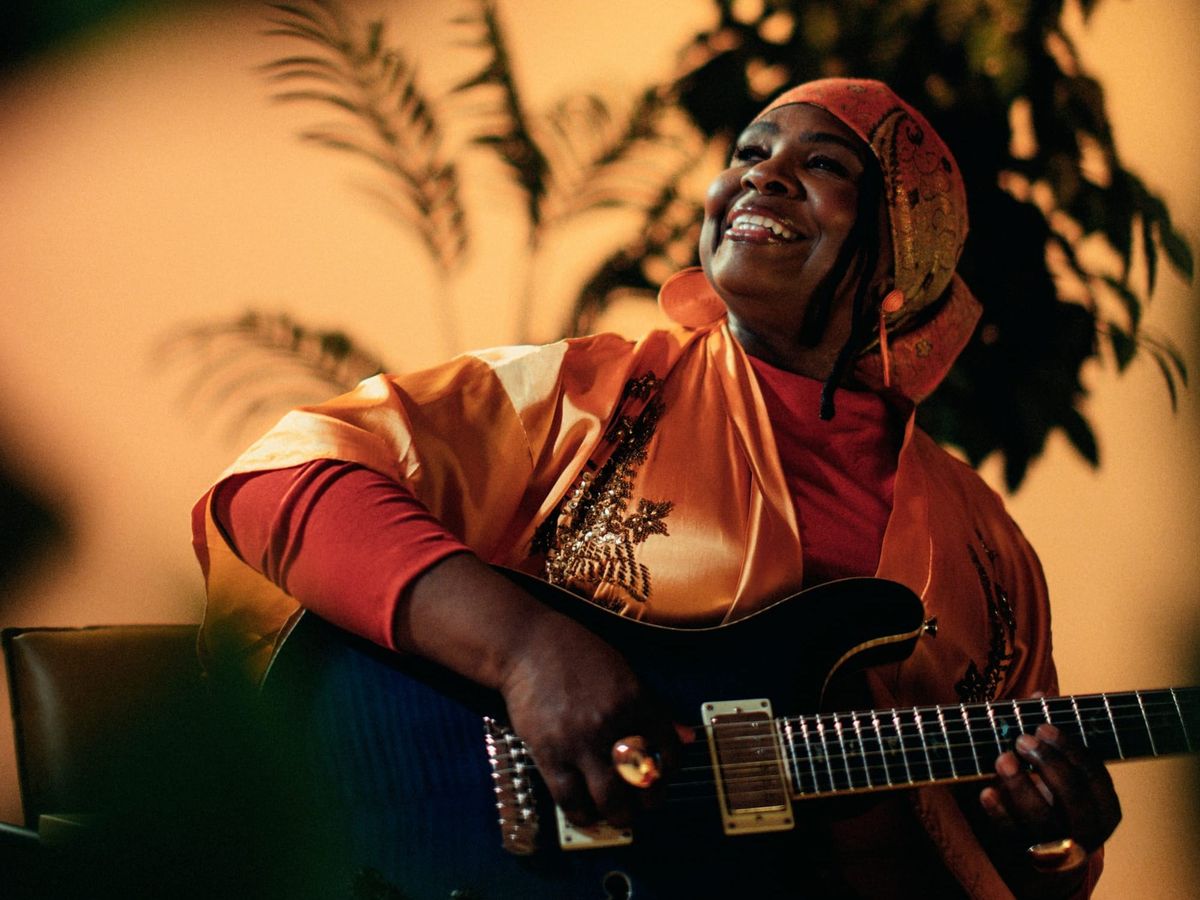
Texas-based veteran Americana musician Ruthie Foster is striking a nerve with her new release, Just Say Yes (Sun Records), but not the kind you’d expect from an industry that capitalizes on controversy.
Instead, her unwavering positivity is conscious and conspicuous. For some, her new album will seem corny or grating–especially with growing awareness of toxic positivity as a cultural force–but Foster’s joy is infectious.
Foster is a powerhouse singer–witness her radical reworking of Pete Seeger’s “If I Had a Hammer” from her 2012 album, Let It Burn–and from the new album’s opener, “Thank You,” where Foster expresses gratitude to someone troubling her, to the meditative “Take Time” and “Standing Still,” Just Say Yes shows Foster facing her personal turmoil and challenges head on.
Foster has been recording for decades, and an album like this piques listeners’ curiosity. The question is, how successfully does the album executive its vision? In other words, should listeners Just Say Yes to the album?
Unfortunately, there is a notable contrast between the noteworthy wisdom in the lyrics and the relatively generic music. The band sounds loose and organic, and Foster’s sweet but stirring vocals are, of course, stellar, but the tracks and production sound somewhat perfunctory in their blues-rock aesthetic.
The lean electric guitar riffs, soul organ, and gospel-style backing vocals might perk listeners’ ears, highlighting the coexisting spiritual and secular realms in Black music and beyond. However, few tracks truly stand out. Of those that do, “Take Time” soothes and shows the best match between lyrics and music. To my ears, it is the album’s most appealing track for country fans.
“Take Time” has been released as a single, and it will hopefully make a significant impact in Americana markets. “You won’t ever get an answer if you never ask the question,” Foster sings, and her serenity sounds credible and well earned.
Elsewhere on the album, some tracks boogie (“Hold On”) while others encourage listeners to slow down (“Standing Still”). Then there are tracks like “Yes” and “Maybe It Up,” which are mildly catchy and funky, with strong bass work, but, I suspect, they won’t hook listeners as much.
Foster encourages unity on “Yes” and sounds relatively rollicking on the uptempo “Doubling Back.” However, overall, the album, while worth hearing, somewhat disappoints.
Just Say Yes is enjoyable, but less noteworthy in a year with standout queer country work. It is, however, worth a listen, especially for Foster’s joy.In other words, the album is more worth hearing for its message than its music. For new Ruthie Foster fans, it still provides a worthy entry point.
Just Say Yes? Sure, why not? Come on in and get a positive message to soothe, but don’t expect a masterpiece.